

Geocaching Rubber Stamps in Canada: Why Your Personal Mark Changes the Game
A conversation with a passionate Canadian geocacher reveals something unexpected about geocaching—not the locations, not the trails, but the small detail that changes everything: the stamp.
It wasn’t a typical interview. No shared hike, no face-to-face meet-up. Just a phone call that quickly made one thing clear: geocaching isn’t just a hobby—it’s a way of experiencing the outdoors differently.
And for many serious geocachers, one small tool becomes part of that experience. A geocaching stamp.
What Is Geocaching? (And Why It’s So Popular in Canada)
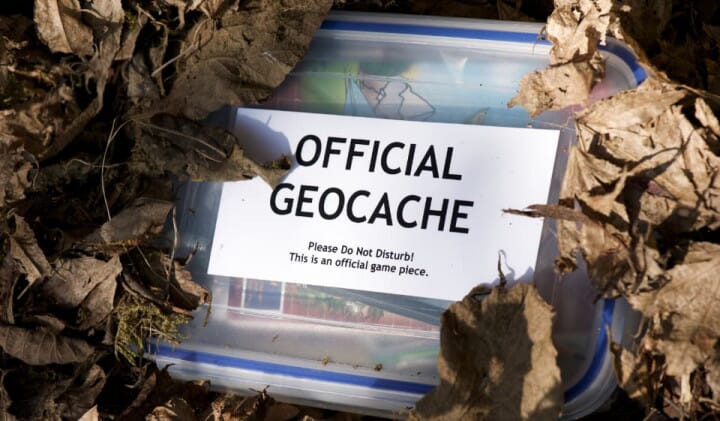
Geocaching is a real-world treasure hunt using GPS coordinates to find hidden containers, called caches. Inside each cache is a logbook where finders sign their name.
Simple idea. Very addictive in practice.
Across Canada, geocaching thrives thanks to vast outdoor spaces, scenic trails, and strong community engagement—from forests in Ontario to mountain routes in British Columbia and urban caches in cities like Toronto and Vancouver.
The Logbook: Where Your Adventure Gets Recorded
Every cache has a logbook. Signing it is part of the ritual.
It’s proof you were there.
This is where the geocaching rubber stamp becomes important. Instead of struggling with cold hands or messy handwriting, many geocachers leave a clear, consistent imprint that represents them every time. For regular cachers, it becomes more than practical—it becomes identity.
Why Geocaching Rubber Stamps Matter
In Canadian conditions especially, stamps solve real problems:
- Cold weather and stiff fingers
- Pens that don’t work outdoors
- Smudged or unreadable handwriting
- Repeated logging on long caching days
For frequent geocachers doing multiple finds in a day, stamping takes seconds instead of minutes. It turns logging into part of the flow—not a chore.
Built for Real Caching
1. Faster Logging for Active Cachers
Power trails and road trips often mean dozens of caches in a day. A stamp makes that effortless.
2. A Personal Signature
Your stamp becomes your identity in logbooks across Canada—recognisable, consistent, and uniquely yours.
3. Designed for Outdoor Use
Whether you’re keeping gloves on in winter or dealing with wind and uneven surfaces, stamps are built for real-world conditions.
Recommended Geocaching Rubber Stamps in Canada
If you’re looking to create your own geocaching stamp, these are practical, proven options:
Round Custom Stamps
A simple, classic option for clean, compact designs Round Stamps
Trodat Printy 46019 (Compact 3–4 line stamp)
Ideal for usernames and small icons in a neat format Trodat Printy 46019
Trodat Printy 46050 (Up to 10 lines)
Perfect for detailed designs or longer geocaching identities Trodat Printy 46050
Trodat Printy Dater 46130 (With date feature)
Useful if you want to track when each cache was found Trodat Printy Dater 46130
Why So Many Geocachers Use Rubber Stamps
Roughly 1 in 20 geocachers uses a stamp—but among active players, the number rises significantly. In Canada, experienced cachers quickly realise the benefits: speed, clarity, and consistency across every find.
One geocacher summed it up simply: “My handwriting makes doctor prescriptions look like calligraphy.”
A Small Detail That Connects a Community
Geocaching is about discovery—but also about connection.
Your stamp becomes a quiet signature left behind on trails, in forests, and in hidden places across Canada.
It says:
- You were here
- You shared the moment
- You’re part of the same community
And one day, someone will recognise that mark in a logbook—and know exactly who left it.
Create Your Own Geocaching Rubber Stamp
A geocaching stamp isn’t just a tool—it’s part of how you explore.
At getstamps.ca, you can design a custom stamp built for outdoor use, travel, and real geocaching conditions. Start your next adventure with a mark that stays with you—wherever the cache takes you.